Health and Safety Policy for Man With Van Wormwood Scrubs
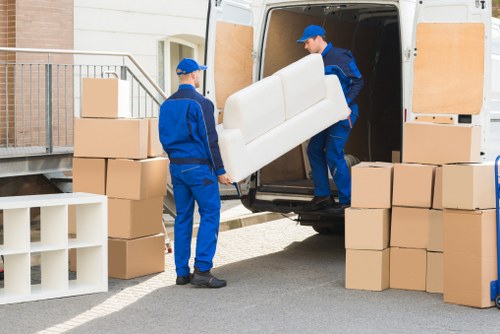 This health and safety policy sets out the standards followed by our man with van service to help protect staff, customers, property, and the public during all moving activities. We aim to maintain a safe, organised, and responsible working environment at every stage of a job, from loading and transit to unloading and final placement of items. Safety is treated as an essential part of service quality, not an optional extra.
Our approach is based on identifying hazards early, reducing risks where possible, and making sure that all work is carried out with care. The nature of man and van removals can involve lifting, carrying, securing loads, working in shared spaces, and travelling on public roads. For that reason, our team follows clear procedures designed to prevent avoidable injuries and damage while keeping the move efficient and controlled.
 All team members are expected to act responsibly and remain alert throughout the working day. This includes wearing suitable footwear, using correct manual handling techniques, maintaining good communication, and reporting any unsafe condition immediately. We also expect customers and anyone present at the property to cooperate with reasonable safety instructions, especially where access points, stairs, or heavy furniture may create increased risk.
Core Safety Principles
The man with van policy is built around prevention. Before any task begins, we consider the likely hazards and plan a safe method of work. These may include slips, trips, awkward lifting, unstable items, poor lighting, narrow entrances, weather conditions, and vehicle movement. By taking a measured approach, the team can complete a move in a way that protects both people and belongings.
Manual Handling and Loading
Manual handling is one of the main sources of risk in man with van removals. Staff are instructed to assess the weight, shape, and stability of each item before lifting. Where needed, items are moved by two people or with suitable aids. We do not encourage rushed lifting, twisting under load, or carrying items that exceed safe limits. Breaks are taken when necessary to avoid strain and reduce fatigue.
 Loading the vehicle is carried out with attention to balance and restraint. Heavier items are positioned securely, fragile goods are separated from pressure points, and loose objects are prevented from shifting during transit. This helps reduce the chance of injury when handling the load and lowers the risk of damage to property. A tidy loading area also supports faster, safer movement of items in and out of the van.
Vehicle, Route, and Worksite Safety
Vehicle safety is a key part of the policy. The van is checked regularly to ensure it remains suitable for use, with particular attention to tyres, lights, load security, mirrors, and general roadworthiness. Drivers are expected to follow road laws, adapt to traffic conditions, and avoid behaviour that may place the load, passengers, or other road users at risk. Safe driving and secure transport are considered essential duties.
Before starting work at any location, the team looks for obvious hazards such as uneven ground, wet surfaces, obstructions, or restricted access. If a path is unsafe, an alternative route or method is chosen where practical. Team members are also expected to maintain clear walkways and avoid leaving tools, packaging, or furniture in positions that could create a trip hazard.
During unloading, care is taken to place items in stable positions and to avoid blocking exits, stairs, or shared access areas. Communication between team members is important, particularly when handling large objects or working in tight spaces. Good coordination reduces confusion, improves control, and helps prevent damage to walls, floors, and fixtures.
Responsibilities and Reporting
 Every worker has a responsibility to help maintain a safe operation. This includes following instructions, using equipment correctly, stopping work if a situation becomes unsafe, and respecting the limits of their own physical ability. Supervisors and experienced team members should set a careful example by promoting steady working methods and checking that tasks are carried out safely.
Any accident, near miss, injury, or property damage must be reported as soon as possible so it can be reviewed and addressed. Reporting is important because it helps identify patterns, improve procedures, and prevent recurrence. Even minor incidents may reveal hazards that need attention. Prompt reporting supports safer future work and strengthens the overall safety culture.
Where special handling is required for delicate, valuable, or unusually shaped items, extra precautions may be taken. These may include additional padding, closer supervision, slower lifting, or carrying in stages. Risk reduction is always preferred to correction after an incident has occurred. The goal of the health and safety framework is to keep every move controlled, professional, and secure.
Review and Continuous Improvement
 This policy is reviewed regularly to ensure it remains effective and relevant to the way work is carried out. Updates may be made after an incident, operational change, or improvement in best practice. By reviewing procedures and learning from experience, the man with van service can continue to improve standards and protect everyone involved in the moving process.
All team members are expected to understand that safety is part of everyday work, not a separate activity. A careful man and van removals service relies on planning, awareness, teamwork, and respect for risk. When these principles are followed consistently, the result is a safer environment, fewer disruptions, and a better service overall.
Through disciplined working habits and a shared commitment to safe practice, this policy supports dependable operations while reducing avoidable harm. Our focus remains on practical controls, sensible judgement, and responsible conduct at every stage of the job.