W12 removals: costs, vans and parking hacks
Posted on 22/05/2026
Moving in W12 can be brilliantly convenient one minute and oddly tricky the next. You might be dealing with tight side streets, permit-only parking, a fourth-floor flat, or a van that seems a bit too large for comfort. That mix is exactly why W12 removals: costs, vans and parking hacks deserves a proper guide, not just a quick checklist.
In this article, you'll get a clear look at what shapes removal costs in W12, how to choose the right van size, and the parking tricks that save time, stress, and possibly a few extra pounds. We'll also cover practical planning steps, common mistakes, local considerations, and the small details that make moving day feel manageable rather than chaotic. Truth be told, that last bit matters more than people think.
If you're still comparing service options, it can help to start with a wider view of the removal services available in Wormwood Scrubs and then narrow things down from there.

Why W12 removals: costs, vans and parking hacks Matters
W12 sits in a part of West London where moving logistics can get complicated fast. Streets around Shepherd's Bush, White City, and nearby residential pockets often combine busy traffic, limited stopping space, and a mix of houses, flats, and converted buildings. That means removals aren't just about lifting boxes; they're about making smart decisions before the first item even leaves the hallway.
Costs are shaped by more than mileage. In W12, a move can become more expensive if the crew has to park far away, carry items a long distance, or make repeated trips because the van wasn't sized well. A lot of people assume the cheapest quote is the best quote. Not always. If the van is too small or parking is left to chance, the day can drag on and the final bill can creep upward. Not ideal, obviously.
Then there's the local parking puzzle. If your vehicle can't stop close to the entrance, movers may need to wheel items through narrow pathways or across a courtyard. That slows everything down and increases the risk of knocks, scrapes, and frustration. One small parking win can save a surprising amount of time.
For that reason, many people benefit from reading around the subject before moving day. Guides like packing secrets that make house moving easier and practical ways to turn moving house into a calmer experience help take some pressure off the rest of the process.
How W12 removals: costs, vans and parking hacks Works
A good W12 move usually follows a simple pattern. First, you assess what needs moving. Then you match the load to the right van and plan where that van can legally and safely stop. After that, you organise packing, loading, and access so the team spends less time waiting and more time actually moving your belongings.
1. Assess the volume and access
Start with the size of the job. A studio flat with a few large pieces needs a very different setup from a three-bed family home. Access matters just as much. Are there stairs? A lift? A long hallway? A basement? These details affect both time and cost.
2. Choose a van that fits the job
Too small, and you'll end up with extra runs. Too large, and parking in W12 may become a headache. The right balance is usually a van that can handle the load in one or two trips without turning the street into a logistical puzzle. If you're moving bulky items, it's worth looking into a dedicated removal van in Wormwood Scrubs rather than guessing and hoping for the best.
3. Plan the parking before moving day
Parking hacks are really just advance planning in disguise. Check whether your road has bays, single-yellow restrictions, resident permit rules, or loading limitations. If a van can briefly stop outside the property, brilliant. If not, you may need to think about a legal loading spot nearby and the walking distance from there to your front door.
In busy parts of W12, the difference between "easy" and "why is this taking so long?" can come down to where the van sits for the first ten minutes.
4. Load in the right order
Heavy and awkward items go in first, lighter and more fragile things after. That sounds obvious, but people still end up stacking boxes in the wrong order when the clock is ticking. Large furniture, appliances, and mattresses should be secured so they do not shift during transit. If you're moving a bed, it helps to follow a proper plan rather than dragging it downstairs in one hopeful attempt. A focused guide like how to move a bed and mattress without the usual stress can be a real time-saver.
5. Keep an eye on timing
Morning moves are often easier in London because traffic tends to build later in the day. That said, early starts only help if everyone is ready. A delayed key handover or a missing box cutter can undo a whole lot of good planning. It happens.
Key Benefits and Practical Advantages
When W12 removals are planned properly, the benefits are immediate and very tangible. You save time, reduce physical strain, and lower the odds of damage. But there are a few less obvious advantages too.
- Lower overall stress: You're not making parking decisions on the fly or improvising with the van size.
- Better value: Efficient access usually means less labour time and fewer delays.
- Safer handling: Fewer awkward carries and less rushed lifting.
- Cleaner property handover: If you've packed and cleared properly, the move-out stage is smoother.
- Less risk of fines or complaints: Parking and loading are handled more carefully.
There is also a bit of peace-of-mind value that people don't price in. Once the van is parked correctly and the plan is working, the whole day tends to feel less like a scramble. You can breathe. Small thing, but it counts.
If you're looking for a broader moving strategy, decluttering before the move and choosing smart packing and boxes options can make a noticeable difference too.
Who This Is For and When It Makes Sense
This guide is useful for anyone moving within W12, but it's especially relevant if you're in one of these situations:
- You're moving from a flat with stairs or limited lift access.
- You live on a busy road where parking is never straightforward.
- You have large furniture, a mattress, or awkward items that need careful loading.
- You're trying to keep costs sensible without cutting corners.
- You need a same-day or short-notice move.
Students, renters, and small households often benefit most from a van-led move because it offers flexibility without the expense of a full-scale lorry operation. If that sounds like you, a look at student removals in Wormwood Scrubs may also give you a useful benchmark for timing and budget.
It also makes sense for people moving office contents, a few rooms of furniture, or a split move where some items are going into storage. If your move includes temporary holding space, it's worth considering storage in Wormwood Scrubs as part of the plan, not as an afterthought.
Step-by-Step Guidance
Step 1: List everything that needs to move
Walk room by room and write down the larger pieces first. Sofas, beds, wardrobes, desks, appliances, mirrors, and any fragile or heavy items. Don't forget the odd-shaped things nobody thinks about until the last minute.
Step 2: Measure large items and access points
Measure doorways, stair turns, lifts, and the biggest items. The actual measurements matter more than memory. "It should fit" is not a measurement. It's a hope.
Step 3: Match the van to the load
A one-bedroom flat may only need a compact removal van, while a larger property often needs a bigger vehicle or a split load approach. If you're unsure, ask for guidance based on item count and access. A reliable man with a van in Wormwood Scrubs service can often size this up quickly.
Step 4: Lock in parking details
Check the street a few days before the move if you can. Note where loading is possible, whether there are restrictions, and whether any signs mention controlled parking zones or permit-only bays. If the area is tight, think about where the van can pause while items are carried out.
Step 5: Pack by priority, not just by room
Pack essentials separately and label them clearly. Put together the items you'll need first: kettle, chargers, basic tools, toiletries, and a change of clothes. You'll thank yourself later, probably around the first cup of tea in the new place.
Step 6: Prepare the property for a clean exit
If you are renting, leaving the place tidy matters. A proper end-of-tenancy clean can reduce disputes and keep the handover smooth. Useful reading like move-out cleaning tips is worth a glance before the last box leaves the hallway.
Step 7: Load and unload with a clear order
Have the heaviest items loaded first and the essentials last so they come off the van quickly. Try not to let everyone stand around giving directions at once. One person coordinating is usually enough, maybe two if the house is large. More than that and things can get a bit wobbly, metaphorically and literally.
Expert Tips for Better Results
A few practical habits can make W12 removals much smoother.
- Book parking awareness early: Never leave it to the morning of the move.
- Use furniture protection: Blankets, covers, and straps help prevent scuffs and shifting.
- Disassemble only what you need to: Don't waste time taking apart items that can safely move assembled.
- Keep fragile items away from heavy loads: Glass and electronics need a sensible buffer.
- Work out the route in advance: Front door, stairwell, lift, van, repeat. Keep it simple.
For larger furniture, the right handling approach matters more than speed. If you want a deeper dive into moving bulky household items without damage, the article on furniture removals in Wormwood Scrubs is a practical companion piece.
One local trick that often helps: if the road is tight, park the van so the loading side has maximum clearance, even if that means a slightly longer carry from the front door. A cleaner angle can save a lot of faffing about.
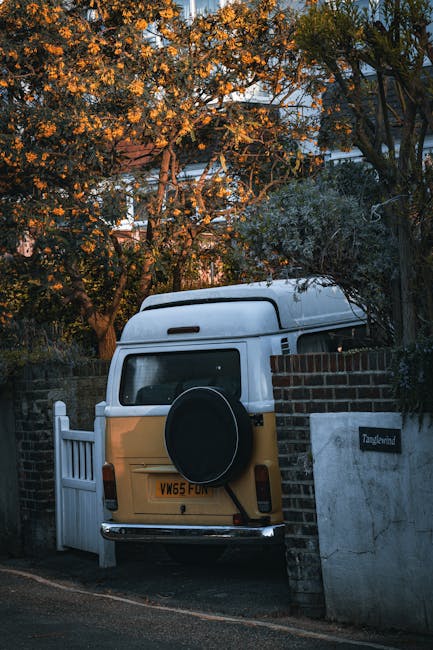
Common Mistakes to Avoid
Underestimating the parking situation
People often plan the packing and forget the curb. In W12, that can be the difference between a tidy move and a slow, expensive one.
Booking the wrong van size
A van that is too small leads to extra journeys. A van that is too big may be awkward or impossible to place legally nearby. Neither is a great outcome.
Leaving packing too late
Late packing creates stress and damage. It also makes it harder to label things properly, which means chaos at the other end. Not exactly the dream.
Not protecting awkward items
Mattresses, mirrors, TVs, and pianos need more than a quick lift and a hopeful expression. Some items really do deserve specialist handling. That's especially true for delicate or very heavy pieces, which is why professional piano moving advice is worth reading even if you don't own a piano. The principles carry over.
Ignoring the weather and the clock
Rain, school-run traffic, and evening restrictions can complicate even a simple move. A wet stairwell or slippery pavement changes the pace quickly.
Tools, Resources and Recommendations
You do not need a van full of specialist kit to have a smooth move, but a few tools make a big difference.
| Tool or Resource | Why it Helps | Best Used For |
|---|---|---|
| Furniture blankets | Protects surfaces from scratches and bumps | Sofas, tables, wardrobes |
| Ratchet straps | Keeps items secure in transit | Large furniture and stacked loads |
| Labels and marker pens | Makes unloading faster and tidier | Box sorting and room placement |
| Furniture trolley | Reduces carrying strain | Boxes, appliances, and heavier items |
| Household tool kit | Helps with quick disassembly | Beds, shelves, flat-pack items |
If you're moving a sofa into storage or through a narrow stairwell, it's worth understanding how to wrap and protect it properly. This guide on keeping a couch safe in storage covers the sort of details people often miss.
For longer or more complex moves, comparing providers can help you see whether you need a simple man and van service, a fuller house removals service, or something more specific such as flat removals.
Law, Compliance, Standards, or Best Practice
Removal work in London is mostly about practical compliance and common-sense best practice rather than complicated red tape, but the details still matter. Parking restrictions, controlled loading, and local council rules should always be checked before the move. If a van stops in the wrong place, you may face delays or penalties, and nobody wants that on top of the lifting.
From a safety point of view, good moving practice means using safe lifting techniques, avoiding blocked fire exits, and keeping walkways clear. That sounds basic, but busy moves can become messy surprisingly fast. If you're carrying heavier items, it is sensible to work within your limits and ask for help when needed. A short, steady lift is usually better than a rushed one.
Reputable movers should also take care with insurance and handling processes. If you want to understand how a professional operation approaches protection and responsibility, the site's pages on insurance and safety, health and safety policy, and terms and conditions are useful references.
Another sensible best practice is being transparent about access issues. If the lift is broken, the road is narrow, or the entrance has timed restrictions, say so early. It gives the mover a fair chance to plan properly, and that usually leads to better results all round.
Options, Methods, or Comparison Table
There isn't one "best" way to move in W12. The right choice depends on budget, volume, access, and how much help you want on the day.
| Option | Best For | Typical Strength | Possible Drawback |
|---|---|---|---|
| Man and van | Smaller moves, single flats, flexible schedules | Affordable and nimble in tight streets | May require more loading involvement from you |
| Dedicated removal van | Medium household moves or bulky furniture | Better capacity and better item protection | Can be harder to park in constrained areas |
| Full house removals | Large or complex moves | Most hands-off and organised | Usually the highest cost |
| Same-day removals | Urgent moves or last-minute changes | Fast turnaround | Less choice over timing and vehicle size |
If you are choosing between these, think about the whole moving chain. A cheap van that can't park near the property may end up costing more in time than a slightly better-planned option. That's the bit people miss.
For some moves, especially urgent ones, a same-day removals service can be a practical lifeline. For others, a more considered full removals service in Wormwood Scrubs simply makes the day easier.
Case Study or Real-World Example
Picture a typical W12 flat move on a weekday morning. The property is on a narrow residential road, parking is tight, and the mover has one sofa, a bed frame, a mattress, several boxes, and a desk. At first glance it sounds straightforward enough.
But the road has limited stopping space, so the van can't sit directly outside for long. The solution is to arrive early, identify the nearest legal loading point, and get the heaviest items out first while the parking window is open. The bed frame is dismantled in advance, the mattress is protected, and the boxes are labelled by room. Nothing fancy. Just sensible planning.
The move still takes work, of course, but it avoids repeated wandering up and down the street, awkward reshuffling of items, and the kind of delay that causes people to mutter under their breath. That's the real win. It's not glamorous, but it works.
In a similar sort of move, the route from Scrubs Lane to White City can be especially helpful to map out in advance if you're trying to understand local access, traffic flow, and practical timing.
Practical Checklist
Use this before moving day. A tidy checklist really does cut the noise down.
- Measure large furniture and key access points.
- Confirm the van size based on actual items, not guesswork.
- Check parking restrictions and loading options near the property.
- Reserve any necessary permits or loading plans in advance if required.
- Pack essentials separately and label boxes clearly.
- Protect fragile, heavy, and awkward items properly.
- Disassemble beds or furniture only where it genuinely helps.
- Keep stairs, hallways, and entrances clear.
- Set aside tools, keys, chargers, and important paperwork.
- Allow extra time for traffic, weather, and unexpected access issues.
One more small thing: put tea, water, and snacks somewhere easy to reach. You might laugh, but after a few hours of carrying, even a biscuit can feel like a reward.
Conclusion
W12 removals are easiest when you treat cost, van choice, and parking as one connected problem rather than three separate ones. Get those basics right and the rest of the move becomes simpler, safer, and far less tiring. That's especially true in a part of London where road space is precious and access can be a bit of a puzzle.
The best approach is usually the one that balances realism with preparation: know what you're moving, pick the right vehicle, protect your items, and make the parking plan before the clock starts ticking. Do that, and you're already ahead of the game.
Get a free quote today and see how much you can save.
And if you'd like more support before the big day, it's worth exploring the wider removal services, packing help, and practical guides on this site. A calm move is still a move. Just a better one.